
Why Security Is an Important Factor of Usability
Introduction
Website security is crucial to keep users’ information safe and to have a website that users can safely use without the risk on information being stolen. This article will discuss the connection between security and usability, how to identify if your websites is both secure or unsecure and how to improve usability through security.
How security is connected to usability
The security and design of websites both influence a user’s trust of the website. This will help lead to a significant effect on the loyalty from users. This would be particularly important if you were creating a website that was selling products. If a consumer didn’t trust a website based of its security and design, this would mean that they would be less likely to use this website to make a purchase and could go to a competitor instead.
When creating a website, you need to try and balance having a secure website with the website also being usable, this is called usable security. For example, a web designer should attempt to balance having a usable website by having a secure website that doesn’t have a significant effect on the speed of the website.
Identifying secure websites
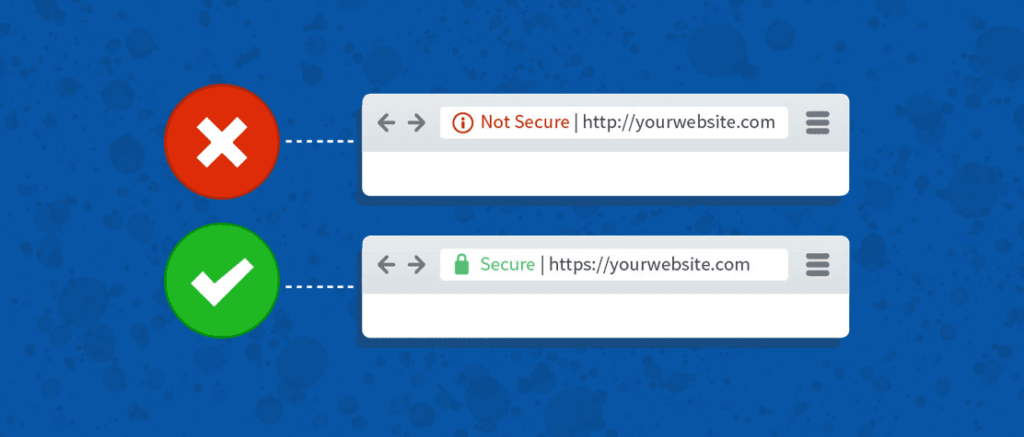
Modern web browsers such as Google Chrome have ways for users to identify if a website is secure. This includes the padlock at the top left of the web browser to tell the user that the website has a secure connection as it is a HTTPS link. This is important to have on a website for multiple reasons. For example, if you had a website which had an element where users could input personal information (e.g. their phone number for updates) if a user is aware of how to identify a secure website, they’ll be less likely to use this feature. Also, it’s important to prevent data breaches because if you have an unsecure website that suffers a breach, users will be less likely to trust your site and you could lose a significant amount of users.
Security vulnerabilities
If a website is unsecure, you will not see the padlock at the top left of the web browser. Instead, you may see a red padlock or no padlock. The link will also not HTTPS and instead will show HTTP. An unsecure website could also lead to sub-session hijacking. This is when a website is hijacked through the cookies on that website. Depending on what the unauthorised person does once they’ve accessed the website, they may make the website unusable. If a user becomes aware that a website has been hijacked, they may lose trust on the website and not want to use this website in the future.
Enhancing Usability through Security
Depending on the number of users that you commonly get on a website, you may need to add a system that can prevent botnet attacks which can cause a website to become unusable by how slow it makes the website or make it go completely offline. A system that would be capable of preventing this would be mCaptcha. mCaptcha claim that their system prioritizes usability and security.
Conclusion
In conclusion, security is vital to have a usable website because without it, you run the risk of your website getting hacked or receive botnet attacks which could both potentially lead to the website becoming completely unusable. Security should be a top priority to all web designers when they’re creating a website.